Ordinary individuals can play an extraordinary role in times of crisis.
How It Works
Our convoys depart from the UK and drive across Europe, reaching Kyiv, Ukraine’s capital, and even all the way to eastern Ukraine to supply those living on and defending Ukraine’s eastern borders, often a total journey of over 2,000 miles. After completing the handover, our drivers take the train out of Ukraine and fly home from Poland.
We work with a network of volunteers based in the UK who have collectively delivered over 80 vehicles to Ukraine, including the very first DUST convoy in April 2025.. Our routes and recipients are meticulosuly coordinated while maintaining close contact with locals on the ground and those who need it most, including those serving on the frontline, to plan supply needs, schedules, and keep our teams secure throughout every trip.
Where Your Money Goes
We source vehicles and most supplies in the UK/EU to minimize shipping costs. We expect to expand this to US operations in 2026. Our drivers also fund their own travel expenses; flights, hotels, fuel, and meals, as their personal contribution to the cause. This means your donations go towards direct and tangible support for Ukraine, not toward getting us there and back.
Pickup Trucks
Pickup trucks are the lifeline of frontline humanitarian operations. With an estimated 30 trucks destroyed every day, the need is urgent and everpresent.
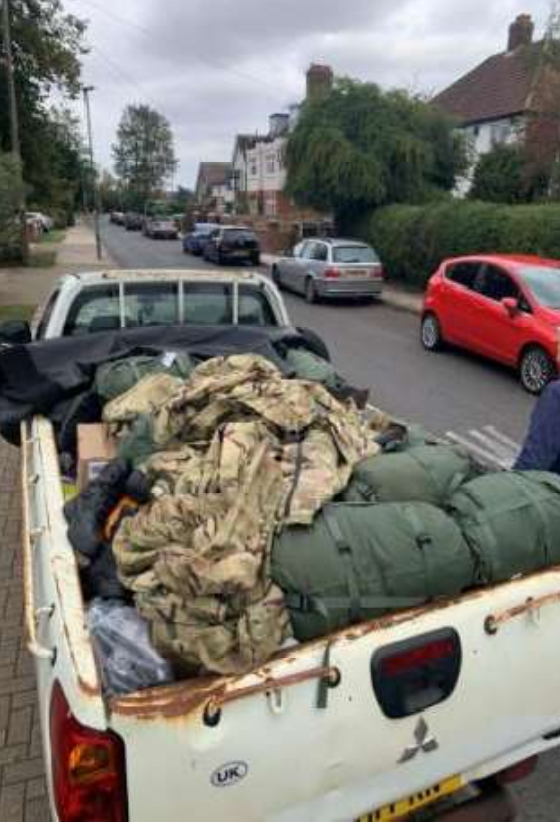
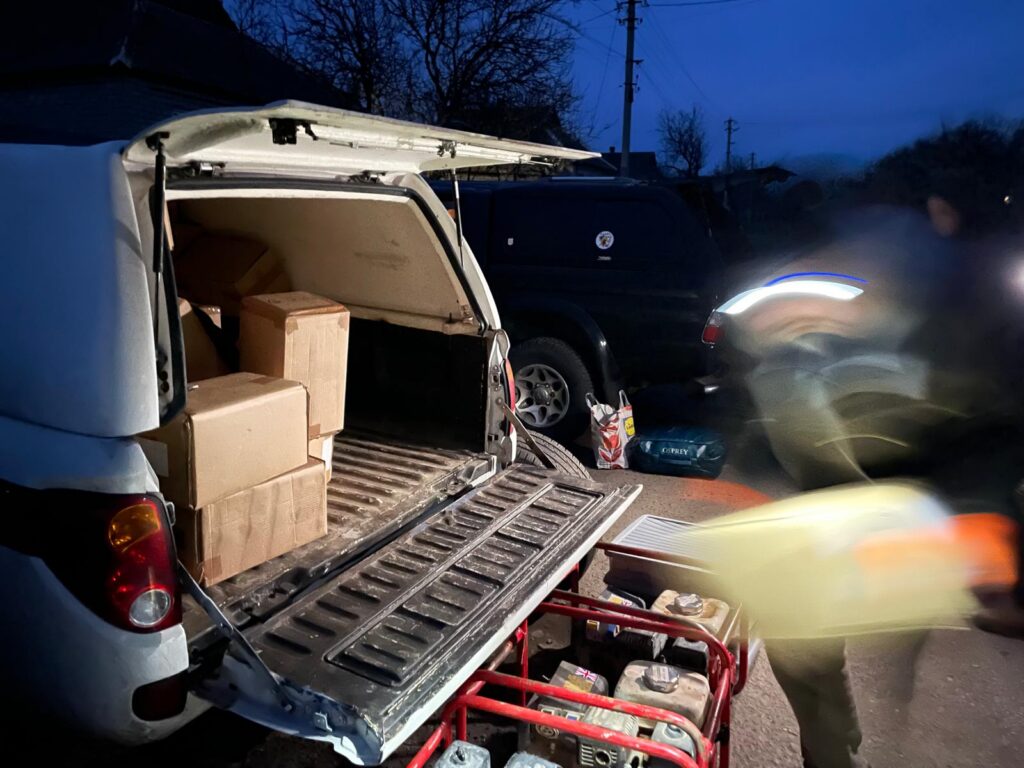
We source older manual 4×4 trucks, models that soldiers can repair in the field with limited tools and parts; think Mitsubishi L200s, Toyota Hiluxes, and Ford Rangers, but we’ll take anything that runs. We load each vehicle with medical supplies, generators, and essential gear to directly hand them off to frontline units who outfit them for their specific missions: evacuating wounded civilians, delivering aid to cut-off communities, and providing rapid transport when every second counts.
With an average of 300-400 + drones hitting Ukraine’s cities nightly and round-the-clock threat of living and working in a constant war zone, these trucks often have short lifespans and can mean life or death for recipients. That’s why a steady flow of replacements is so critical, and why your support matters.
Medical Supplies
Top Priority: Immediate Lifesavers
- Haemostatic gauze (Celox Rapid, QuikClot, Chitozan, Axiostat): Contains clotting agents that stem bleeding long enough to reach a stabilization point. The single most important item we can deliver.
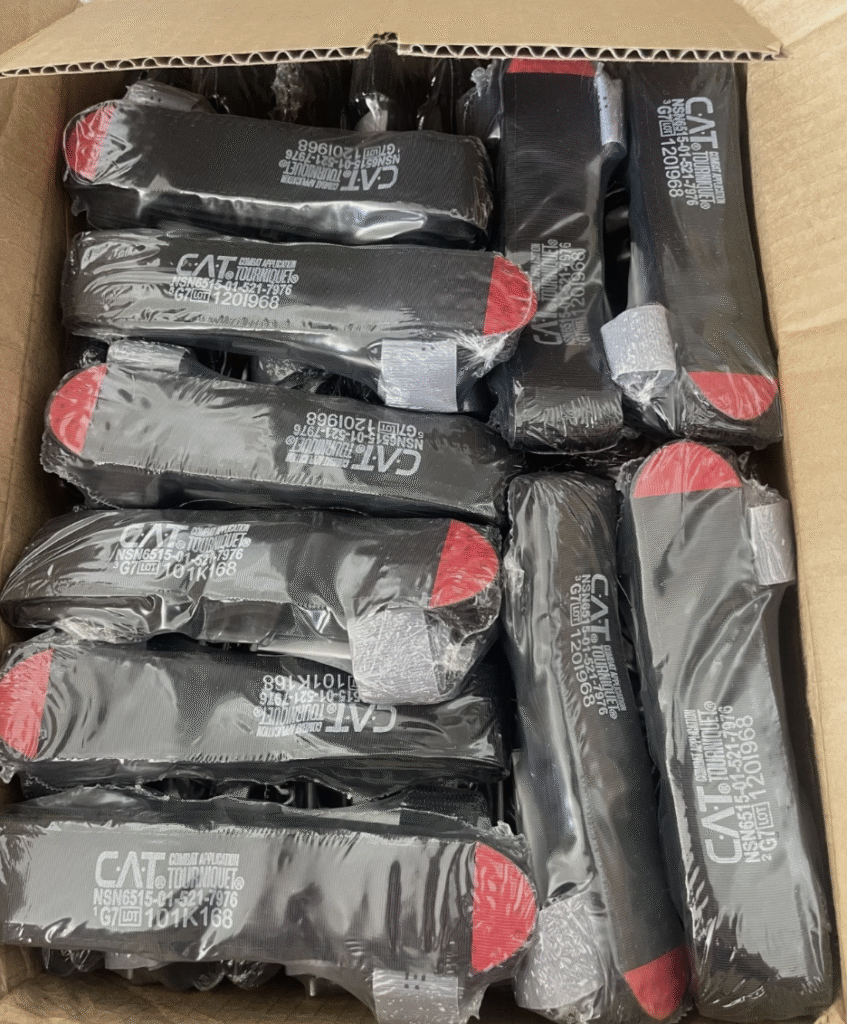
- Combat Application Tourniquets (CAT Gen-7, verified genuine): Can be applied one-handed by a wounded soldier. Counterfeits are common and can kill; we only source from verified suppliers.
- Chest seals (Foxseal, Russell): Prevent lung collapse from penetrating chest wounds. We take a mix of sizes for different wound types.
- Chest decompression needles: Used to relieve tension pneumothorax in the field, buying critical time for evacuation.
High Priority: Essential Field Medicine
- Israeli dressings: Pressure bandages with a plastic bar that presses directly into the wound site, controlling major bleeds when tourniquets aren’t appropriate.
- Airways: Nasopharyngeal (size 8 with lubricant) and oropharyngeal (size 4) to keep unconscious casualties breathing.
- SAM pelvic slings: Pelvic fractures are extremely dangerous on the front line, and these stabilize the injury for transport.
- Emergency thermal blankets: Ukraine ia facing one of its harshest winters with temperatures dropping to below 0F/-17C and hypothermia can kill quickly. Thermal blankets buy time during evacuation on frontlines.
Always Needed: High-Volume Essentials
- Basic crepe bandages: Cheap, versatile, always in demand. Medics also use them packed into wounds when haemostatics run out.
- Clinical wipes (Clinell, Medikills): Infection control in field conditions.
- Dressing scissors: For cutting away clothing and bandages quickly.
- Individual first aid kits (IFAKs): Complete kits that go straight to defenders and medics.
Non-Medical Supplies
Top Priority: Life Critical
- Portable power stations (EcoFlow, Jackery, Bluetti): Power cuts are constant across Ukraine, and those working and living on the frontline often have no mains supply at all. Teams running drones, communications, and medical equipment can’t function without portable power. We prioritize lighter units that can be easliy carried on foot.
- Generators: Diesel preferred, gasoline acceptable. Must be portable enough for one or two people to carry.
High Priority: Operational Essentials
- Drones (DJI Mavic 3 Pro or Mavic 3 Classic): Used for surveying and observation locating the wounded and coordinating evacuations. The thermal-vision Mavic 3T is especially valued but expensive. Spare batteries and handsets aren’t needed; teams have plenty from drones that didn’t make it back.
- Personal kit: Durable boots, warm clothing, rucksacks, and sleeping bags. These need to be tough enough for harsh field conditions; expedition or hiking gear won’t hold up.
- Portable diesel heaters: Essential in winter when people spend extended periods in unheated shelters and vehicles.
- Tires: All-terrain or mud-terrain spares for pickup trucks. Roads and terrain wear through tyres quickly.
Always Needed: High-Volume Essentials
- Hand and foot warmers: Heating in shelters is often limited, so even small personal warmth sources can make a big difference.
- Camping stoves with gas cylinders: Hot food and drinks in the field.
- Walkie-talkies: Often more reliable than mobile signals for convoy coordination.
- Ratchet straps, cable ties, rope: Constantly consumed, always useful.
- Rations: Expedition-grade meals ready to eat. US and UK brands are popular.